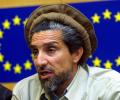
Ahmed Shah Massoud's assassination, 9/11 and the defeat and ejection of the Taliban suggested a break in Afghanistan's history, but the events of August 2021 and the Taliban's return shows how deeper continuities remained in place, points out T C A Raghavan, former Indian high commissioner to Pakistan.

'Afghanistan cannot be at peace until the Pashtuns regain their pre-eminent role in the country's governance,' says Ambassador M K Bhadrakumar.

The Taliban is highly pragmatic and would regard it wasteful to resume military offensive to capture Panjshir. The Taliban's preference, historically, has been to keep the military option as the last resort, explains Ambassador M K Bhadrakumar

'The Afghans used to say that if there is any person whose name should be taken after Allah, it is Hindustani.'

'It was a mission undertaken in darkness in every sense -- literally, because Afghanistan had no electricity at that time; and, metaphorically because Delhi historically dealt only with the Pashtuns of Afghanistan and the foreign ministry's vast archives had nothing to offer on the culture and politics of the northern tribes in the Hindu Kush.'
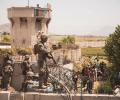
The US military efforts in Afghanistan were akin to filling a bucket that had gaping holes, asserts Colonel Anil A Athale (retd).

Once Mazar-i-Sharif falls, some isolate pockets of resistance may remain, which the Taliban would tackle through political work or coercion, asserts Ambassador M K Bhadrakumar.
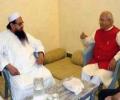
'There are all sorts of characters moving around acting as unofficial representatives of the government and engaging in their own personal foreign policy initiatives. Clearly, the government needs to shut these characters down if it wants to continue enjoying any credibility, both domestically and internationally,' says Sushant Sareen.
